Exploring the Benefits of Fiber-Reinforced Concrete in Modern Construction Oct 18, 2026
Fiber-reinforced concrete (FRC) is a type of concrete that incorporates fibrous materials to enhance its structural integrity. Unlike traditional concrete, which can be susceptible to cracking under stress, FRC is fortified with fibers that help distribute loads more evenly throughout the material. This enhancement makes it highly sought after in buildings and infrastructure where strength, durability, and longevity are pivotal.
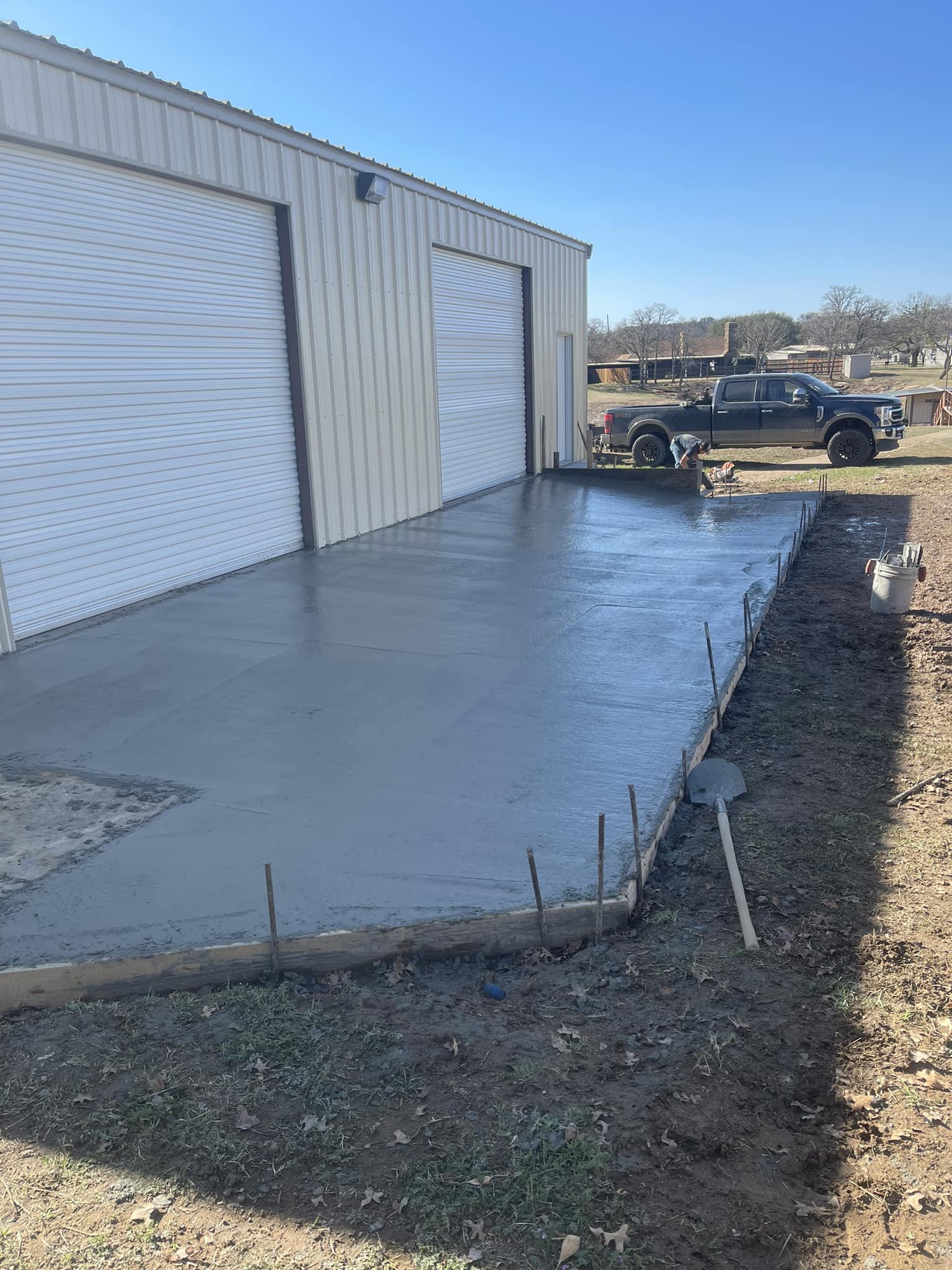
One of the primary advantages of fiber-reinforced concrete is its superior resistance to cracking. Traditional concrete can develop cracks over time due to weather changes, load pressure, and workmanship defects. With FRC, the presence of fibers reduces the width and extent of these cracks, preventing potential damage and maintenance costs in the long run. This attribute makes FRC particularly useful in pavements, driveways, and industrial floors, where surface integrity is crucial.
Incorporating FRC also improves the tensile strength of concrete. Conventional concrete, though robust in compression, has limited tensile strength. By adding fibers, the concrete exhibits better tensile properties, which means it can withstand greater stress and strain without breaking. This characteristic is vital in areas subject to heavy loads, such as bridges and overpasses, as it extends the lifespan and safety of these structures.
Moreover, fiber-reinforced concrete is lauded for its versatility and adaptability. Different fibers, like steel, glass, and synthetic materials, can be used depending on the specific needs of a project. Synthetic fibers, for example, are lightweight and corrosion-resistant, ideal for situations where minimizing weight is essential. On the other hand, steel fibers provide significant strength enhancements, suitable for heavy-duty infrastructure projects. This adaptability allows engineers and builders to tailor the properties of concrete to meet the unique demands of each construction project.
Another significant benefit of fiber-reinforced concrete is its contribution to more environmentally sustainable building practices. The durability of FRC means fewer repairs and replacements over time, leading to reduced use of raw materials. Furthermore, its adaptability enables the blend of recycled fibers into the mix, further promoting sustainability.
Implementing fiber-reinforced concrete in construction can result in cost savings. By mitigating the need for additional reinforcing bars and minimizing repair costs, FRC can be more economical in the long-term perspective. At A&I Concrete and Asphalt LLC, we are committed to delivering cost-effective solutions without compromising on quality and performance.
In conclusion, fiber-reinforced concrete offers numerous benefits that align with the priorities of modern construction, including enhanced durability, increased strength, and sustainability. As the industry continues to move towards innovative and efficient solutions, FRC stands out as a durable option for projects of all sizes. Whether you’re looking to construct a resilient foundation or renovate an existing structure, A&I Concrete and Asphalt LLC is here to guide you through the potential of fiber-reinforced concrete, ensuring your project’s success and longevity in the challenging world of construction.
