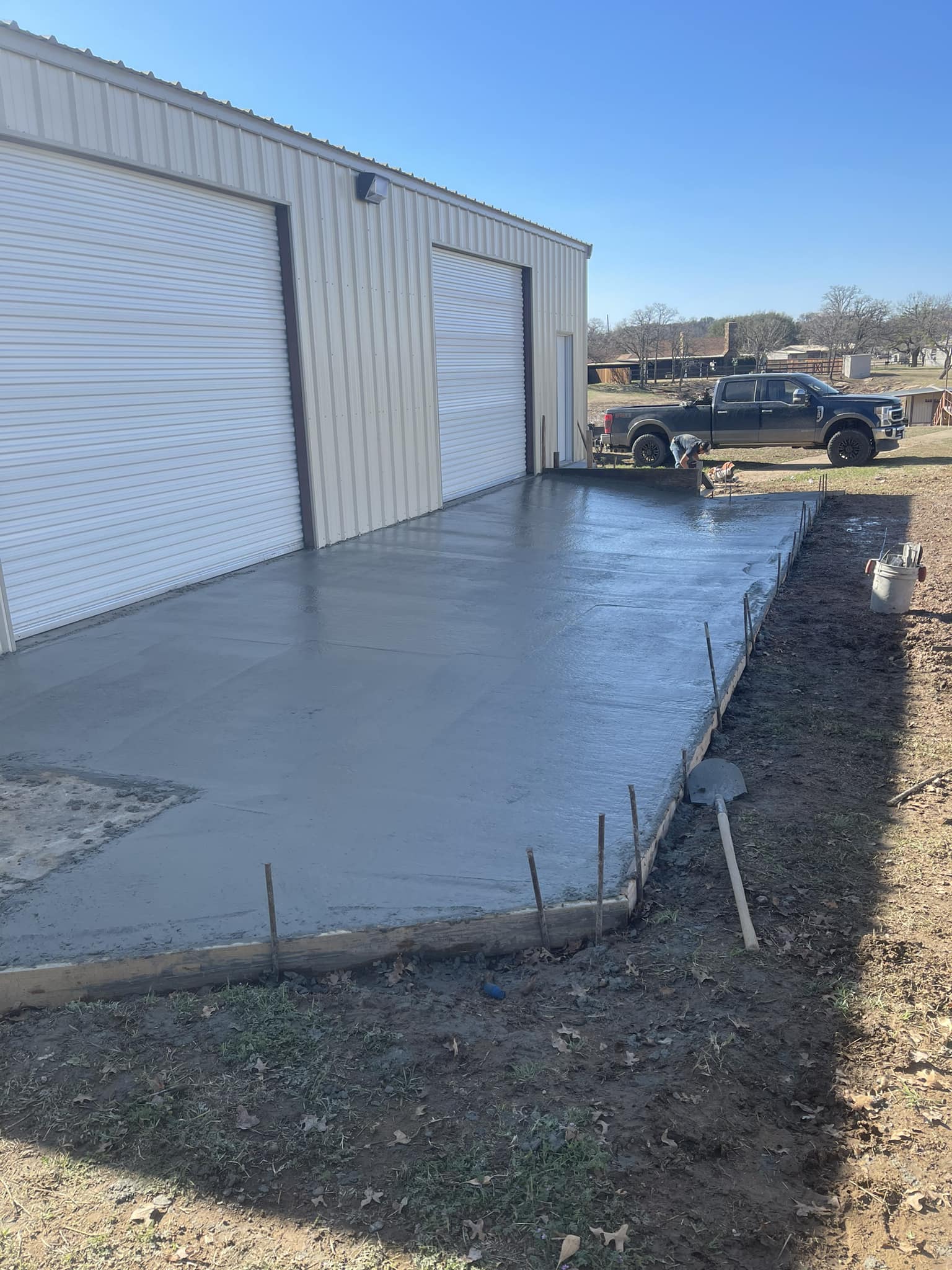
Innovative Approaches to Cold Weather Concrete Pouring Jul 26, 2026
Cold weather has a significant impact on the curing process of concrete. When temperatures plummet, the hydration of cement slows down, potentially compromising the structural integrity of the entire project. This delayed curing can lead to weak concrete that is prone to cracking and spalling. For successful cold weather pouring, it's essential to consider both preparation and execution carefully.
One critical approach to cold weather concrete pouring involves using a mixed design suited for low temperatures. Incorporating accelerators and heating elements can significantly improve the setting time and early strength of the concrete. Accelerators speed up the hydration process, reducing the time it takes for concrete to achieve its initial set and attain structural strength. This is especially crucial when working against the clock in colder climates.
Another key practice is keeping the materials—especially aggregates and water—above freezing temperature before mixing. Insulating and heating these components can be achieved using heated storage areas or by using infrared or industrial heaters on-site. By ensuring that the temperature of your materials is optimal, you enhance the hydration process, promoting more robust bonding and lowering the risk of freeze-thaw damage.
Once poured, it's vital to maintain the proper temperature and protection throughout the curing phase. Temporary enclosures, windbreaks, and insulated blankets can be used to shield the concrete from harsh elements. In some cases, external heat sources such as heating coils or hydronic heaters can also be employed to ensure the internal temperature of the concrete remains within the ideal range. Maintaining consistent warmth is critical to avoid thermal shock and ensure uniform strength development.
Timing is another crucial factor in cold weather concrete pouring. Schedule pours during the warmest part of the day to utilize as much natural heat as possible. Additionally, considering the possibility of delays due to weather conditions is essential. Proper planning and flexibility can help to mitigate potential setbacks, ensuring the project stays on track without compromising quality.
Monitoring the concrete closely once it's been poured is necessary to ensure it continues to cure correctly. Regular checks using thermometers or maturity meters can provide valuable data about the concrete's internal temperature and strength development. This information can be used to make informed decisions about when to remove protective measures and whether additional heating is needed.
To conclude, cold weather doesn't have to be a hindrance for concrete projects. By adopting innovative practices and embracing modern technology, professionals can successfully navigate the challenges posed by lower temperatures. For customers of A&I Concrete and Asphalt LLC, these strategies not only improve the quality and durability of installations but also reinforce their long-standing dedication to excellence and reliability. With the right preparation and execution, cold weather concrete pouring can yield durable, resilient structures that stand the test of time.
/filters:no_upscale()/filters:format(webp)/media/4d01e0f4-3fb1-4b57-b698-8dfea7b9f648.jpeg)