Mastering the Mix: Achieving Optimal Concrete Blends for Long-lasting Infrastructure Oct 15, 2026
Concrete comes in various strengths and compositions, each suited for different applications. Understanding this is key to any successful construction project. At the heart of any good mix is the balance between cement, water, and aggregates, which together dictate the concrete's properties. Starting with high-quality materials is essential; sourcing superior ingredients ensures the foundation of a strong, reliable end result.
The ideal concrete blend begins with selecting the right type of cement for your project—whether it be portland, high aluminate, or blended. Water-cement ratio is another crucial element; the weight of water to the weight of cement should be meticulously calculated. Too little water and the mix becomes unworkable; too much, and you risk reducing the strength of the concrete.
Aggregates, which include sand, gravel, or crushed stone, contribute to the concrete’s density, workability, and strength. Choosing the right proportion of fine and coarse aggregates is essential. The mixture must be consistent and free of contaminants, as impurities can weaken concrete over time, compromising infrastructure integrity.
Admixtures can be introduced to enhance specific properties of the concrete. These include accelerators to speed up curing in colder weather, or retarders to delay curing when working in higher temperatures. Understanding and utilizing these additives can greatly impact performance and longevity, making them a valuable component of any concrete mix.
Achieving the optimal blend is not only about the materials and proportions but also the mixing technique. Thorough mixing ensures uniformity and removes lumps, air pockets, or segregations which could otherwise lead to weak spots. It is advisable to follow consistent procedures, ensuring quality control throughout the mixing process. Any deviation can affect the final product, potentially leading to costly repairs or failures down the line.
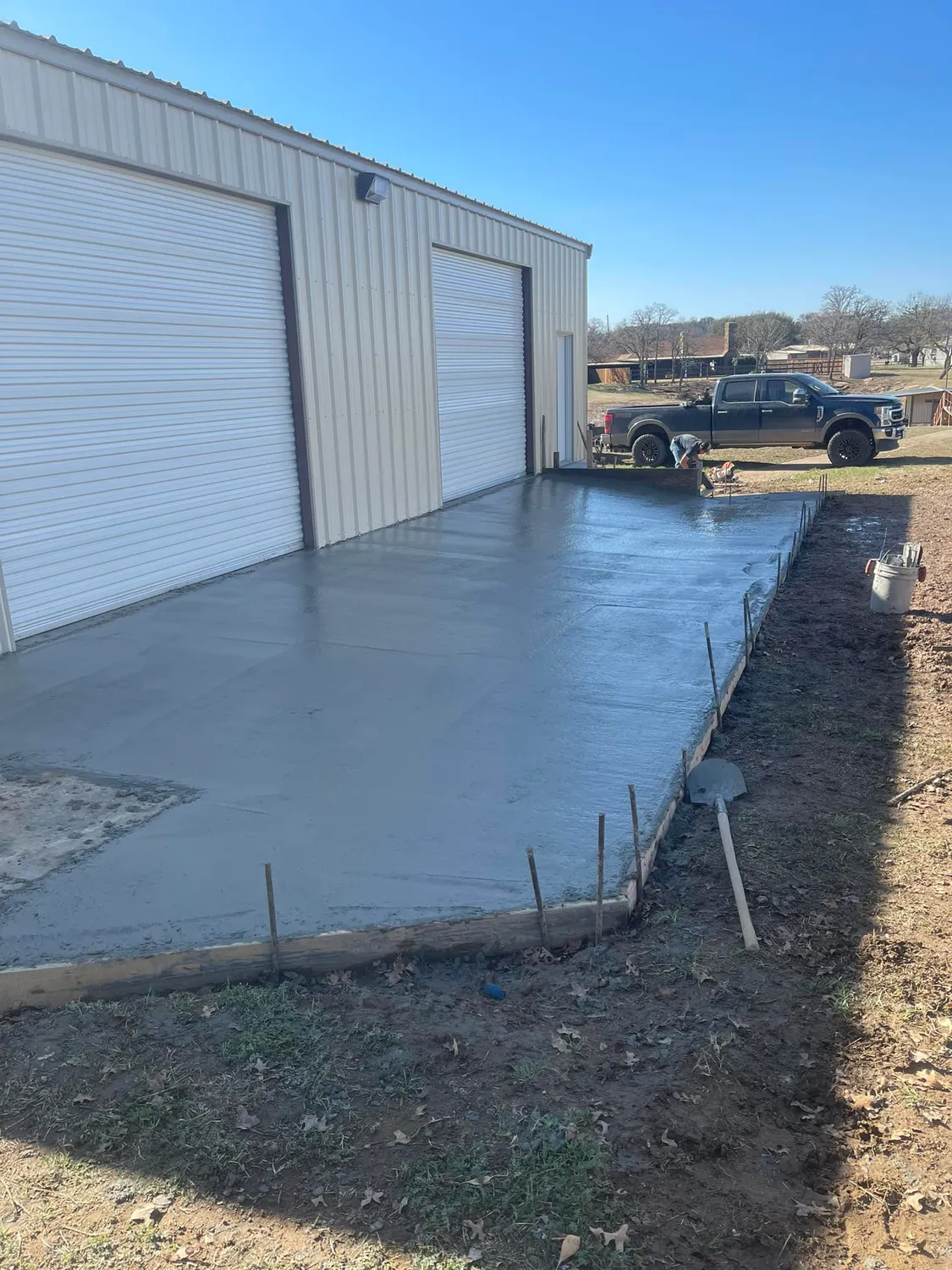
Once mixed, proper placement and curing processes are critical. Concrete should be poured carefully to avoid air entrapment and then allowed adequate time to cure, avoiding premature loading which can lead to cracks. The curing process should ideally maintain moisture, especially in dry or windy conditions, to ensure optimal hydration and bonding of the components.
Regular monitoring and testing of the blend through slump tests and strength assessments are recommended to ensure the concrete meets the required specifications. These tests provide peace of mind, verifying that the concrete can withstand environmental conditions and mechanical stress.
At A&I Concrete and Asphalt LLC, we are committed to using advanced techniques and high-quality materials to deliver lasting infrastructure solutions. By mastering the mix, you ensure your construction projects have the strength and durability to stand the test of time. For more guidance or to learn about our services, don't hesitate to reach out; we are passionate about helping you achieve your concrete goals.