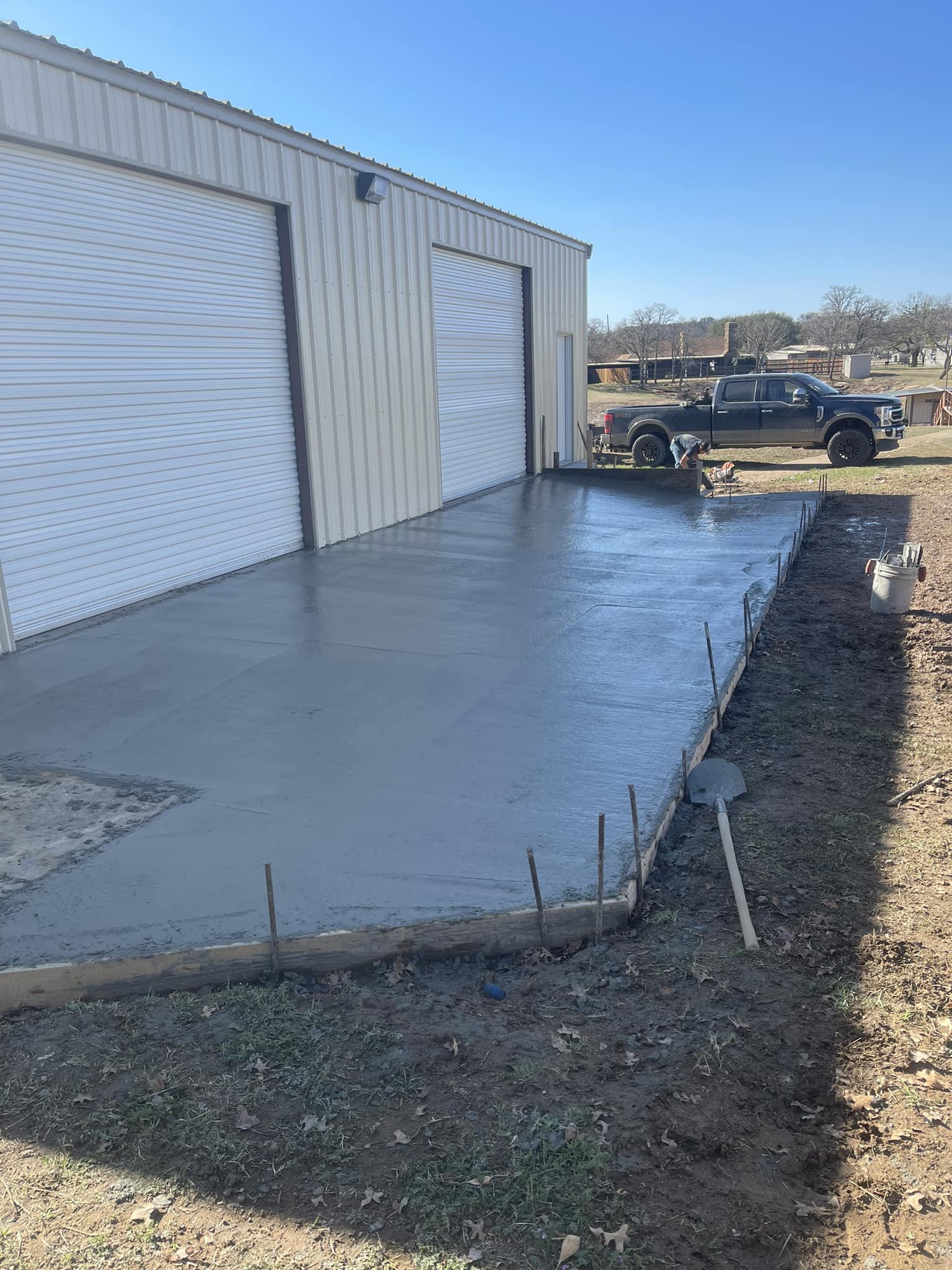
Unlocking the Potential of Concrete Curing Technology for Superior Durability Nov 02, 2026
Concrete curing technology is an essential step that cannot be overlooked. Curing is the process of maintaining adequate moisture, temperature, and time conditions to allow the concrete to achieve its intended properties and strength. Without proper curing, concrete can suffer from reduced durability, increased permeability, and a higher likelihood of cracking. This compounds potential maintenance costs and reduces the overall lifespan of the structure.
One key aspect of curing is maintaining moisture. Concrete needs sufficient water to complete the hydration process, which binds the cement particles and fuels strength gain. Curing methods, such as water curing, ensure the concrete remains moist, preventing premature drying and resulting in a solidified, less porous product. Utilizing curing compounds that form a moisture-retaining film on the surface can also be highly effective in slowing moisture loss.
Temperature control during curing is equally critical. Extreme temperatures, whether hot or cold, can adversely affect the curing process. High temperatures may accelerate the reaction too quickly, leading to internal cracking and a weaker structure. Conversely, cold conditions can slow down or halt the curing process, leaving the concrete vulnerable to freezing damage. Choosing timeframes for pouring concrete and employing insulation methods, such as curing blankets, can mitigate these risks.
Time is another pivotal element in the curing process. Giving concrete ample time to cure significantly enhances its strength and durability. While the surface might seem firm after a short period, concrete generally continues to harden and gain strength over several weeks. Allowing for this extended cure time ensures that the structure can withstand environmental stresses over its lifespan.
The benefits of proper curing extend beyond just increased durability. Well-cured concrete exhibits improved load-bearing capabilities, which is vital for structures subjected to heavy traffic or weight. It also experiences fewer instances of surface defects, improving the aesthetic appeal and reducing the need for future cosmetic repairs. For businesses like A&I Concrete and Asphalt LLC, this translates to higher customer satisfaction and fewer callbacks for repair work.
Furthermore, the adoption of advanced curing methods aligns with sustainable construction practices. By reducing the need for repairs and replacements, resources are conserved, leading to a reduction in the carbon footprint associated with frequent material production and transportation.
At A&I Concrete and Asphalt LLC, understanding and advocating for superior concrete curing technology embodies a commitment to quality and long-lasting results. Their expertise ensures that every infrastructure project not only meets but exceeds industry standards for durability and performance.
Emphasizing concrete curing technology ensures that projects fulfill their potential, deliver enduring results, and optimize resource utilization. As strategies continue to evolve, harnessing innovative curing methods can significantly impact the sustainability and long-term success of concrete structures. Whether constructing a new parking lot, roadway, or foundation, the key to unlocking durability lies in the meticulous attention given to curing processes.
